Comicory
Cinematic Comic Generator
Film-still drama. Every panel.
An AI cinematic comic generator that frames your story like a feature film — anamorphic lens, dramatic key lighting, teal-and-orange color grade, the same cast in every shot.
- Same cast in every panel
How it works
What each step costs.
- 1
Write your story
A paragraph or a whole chapter. Pick a style and a length.
Free - 2
Review the script
The AI splits it into panels with dialogue. Change anything before a single image is drawn.
4 credits - 3
Render the comic
Each character, scene and panel is drawn once, then kept on-model.
1 credit each
Free vs paid
What changes when you pay.
 Made with Comicory · comicory.com
Free
- 10 credits, once, no card
- Downloads carry a small Comicory badge
- 10 of 24 art styles
- Upload 1 character, 1 location & 1 prop of your own
- 1 AI-generated reusable character (1 credit to draw)
Paid
- Clean downloads for a year with any pack, or while a plan is active
- 23 art styles with any subscription, all 24 on Pro and up
- More upload slots (subscriptions, and packs from $19.99)
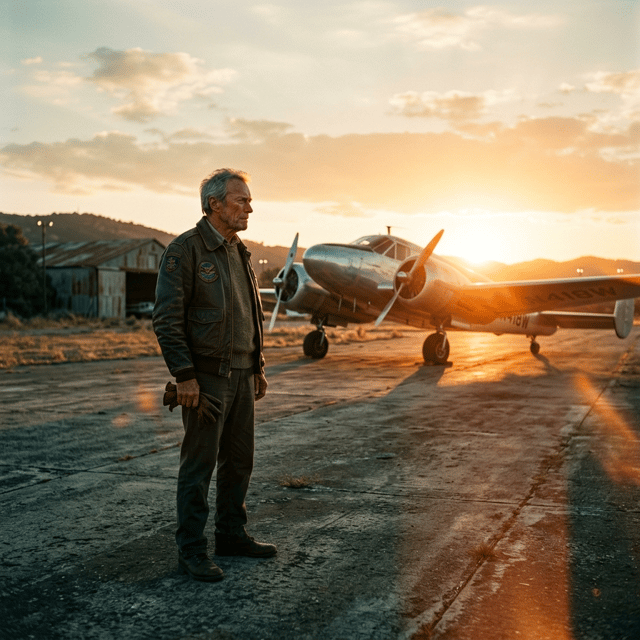
A cinematic comic generator is AI tuned for the look of a prestige film still — shallow depth of field, atmospheric haze, hand-held framing, color-graded skin tones.
Comicory's cinematic style is the right pick when your story is a thriller, drama, biopic, or sci-fi feature you want to read like a movie storyboard, not a Sunday comic strip.
Why Choose Cinematic
Cinematic reads like a frame pulled out of a Christopher Nolan or Denis Villeneuve film. It rewards stories built on mood, performance, and silence — where the lighting does as much storytelling as the dialogue.
Thrillers & Dramas
Tense interrogations, late-night confrontations, character studies — cinematic lighting makes every glance carry weight.
Sci-Fi & Biopics
Spaceship cockpits, courtroom monologues, period dramas. The film-still look sells scale without going cartoony.
Storyboards & Pitch Decks
Use cinematic panels as visual references for screenplay pitches, music videos, or short-film mood boards.
What the Cinematic Style Draws
The cinematic brief is one of the most detailed on Comicory, and nearly every phrase in it describes a camera or a light rather than a drawing tool. Here is what it asks for in each panel.
Photoreal, Yet Stylized
Panels aim for a live-action film still with naturalistic skin and fabric. The stylized part comes from the lighting and grade, which push each frame past a plain photograph.
Strong Key Light, Deep Shadow
One dominant light shapes each face and lets the rest fall away into darkness. Half-lit faces and dark corners are normal here, not a mistake.
An Anamorphic Lens
Shallow depth of field softens whatever sits behind the subject, and small lens flares appear around bright sources such as headlights, lamps or windows.
Teal-and-Orange Grade
Shadows lean cool and skin tones lean warm, the grade familiar from modern feature films. Because it is part of the style, scenes shot at different times still match.
Haze and Hand-Held Framing
Atmospheric haze and visible beams of light hang in the air, and framing is slightly loose, as if the camera sat on an operator's shoulder rather than a tripod.
Cinematic vs. Realistic vs. Noir
Realistic style leans toward painted graphic-novel art. Noir is high-contrast black-and-white. Cinematic sits in between — color-graded, lit like a movie set, and close to a photographed frame. Pick cinematic when your story should feel like a feature film stopped mid-frame.
Storyboard is the fourth option for film-minded writers: neutral color, natural motivated light and no flares or haze, so it shows the blocking plainly instead of setting a mood.
| Style | Look | Light | Color | Fits best |
|---|---|---|---|---|
| Cinematic | Photoreal yet stylized film still | Dramatic key light, deep shadows, volumetric haze | Teal-and-orange grade | Thrillers, dramas, sci-fi features |
| Realistic | Painterly graphic-novel illustration with hand-drawn linework | Painted shading, film-still composition | Digital ink-and-color | Graphic novels with natural anatomy |
| Noir (B&W) | Inked comic art at dramatic angles | Heavy shadows, high contrast | Black and white | Crime, detectives, moody period stories |
| Storyboard | Photoreal production still, 35mm spherical lens | Natural motivated light, no haze or flares | Neutral, true to the era, no grade | Planning shots, blocking and eyelines |
Writing a Story That Suits It
Because the style thinks like a camera, the most useful story text reads a little like the action lines of a screenplay.
Say Where the Light Comes From
A desk lamp in an interrogation room, low sun through blinds, a phone screen lighting a face inside a parked car. One named source gives the key light a direction and the shadows a shape.
Write Moments, Not Montages
Each panel behaves like a held frame. 'She turns the photo face-down on the table' gives one clear image; 'over the next week she investigates' gives the panel nothing specific to show.
Let Some Panels Stay Silent
A look across a table or a pause at a doorway suits shallow focus and haze. Trim the dialogue in scenes where the picture already says enough.
When to Pick a Different Style
Cinematic struggles with stories that want to look drawn. Comedy strips, children's stories and anything built on exaggerated faces lose their bounce inside a moody, film-graded frame; Cartoon, Chibi or Comic Book handle those better.
For fantasy that should feel illustrated rather than filmed, Realistic or Graphic Novel keep a painted or inked look. And if you need neutral frames that show where actors stand for an actual production, Storyboard drops the teal-and-orange grade, the flares and the haze.
Questions
About this generator.
It's tuned to look like a frame pulled from a prestige feature — anamorphic lens flares, teal-and-orange grade, shallow depth of field. The result is photoreal yet stylized: it reads as a film still, not as a drawing.
Pick cinematic when the mood matters more than the rendering — thrillers, dramas, sci-fi, character pieces. Pick realistic when you want painted graphic-novel art with a wider color palette and less moody grading.
Yes. Cinematic is one of the paid styles — included with any subscription, from Plus up. The free tier can preview it inside the style picker, then subscribe in one click to unlock generation.
That grade is part of the style's brief, so it is applied to every panel, day or night. Writing a specific time and light into the scene (an overcast noon, a fluorescent office) shifts the lighting, but the grade underneath stays. If you need plain, true-to-life color, Storyboard is built without it.
Only up to a point. The style is built on dramatic key light, deep shadows and a prestige-drama tone, so even a sunny picnic tends to come out moody. For upbeat stories, Comic Book, Cartoon or Webtoon match the tone with less effort.
Absolutely. Use Continue Story (Create next chapter) to chain chapters and the cast keeps the same film-still look across every page. Great for adapting a screenplay or a serialized thriller.
Keep exploring
You might also like.

Ready when you are.
Start with a paragraph.
Finish with a comic.
Sign up free and get 10 one-time credits — the script plus a 4-panel comic with 1 character and 1 location. No card.