The Anatomy of a Comic Book Cover
A working comic book cover has six elements arranged in a deliberate hierarchy. The order is the order the reader's eye should travel.
1. The Hero Image
Center stage. Usually a single character or one tight composition. Reads as the central focal point — the reader should know who the comic is about within one second. Don't crowd; one strong hero image beats five weak ones.
2. The Title (Logo Mark)
Top third of the page, usually. Bold, distinctive typography. Often gets a unique logo treatment that's reused across the series. Modern comics treat the title as a brand mark, not just a typeface.
3. The Issue Number
Small but always visible. '#1' carries extra weight — collectors hunt first issues. Position near the title or in a corner banner.
4. The Tagline / Cover Caption
Optional but powerful. A teaser line — 'The story that changes everything', 'Death of the legend'. Reads beneath the title in smaller type. Sells the reader on the issue's stakes.
5. The Creator Credits
Writer, artist, sometimes letterer. Small type, usually under the title or near a corner. Important for collectors and pros; less critical for general readers.
6. The Publisher Logo
Bottom corner or banner. Small. Tells the reader who made it; matters more for established publishers (Marvel, Image) than indie.
Six Cover Patterns That Sell
Most working comic covers fall into one of six patterns. Pick the right pattern for the story.
Pattern 1 — Hero Splash
Single character, dynamic pose, against a contextual background. The most common pattern — used on most superhero comics. Works when the protagonist is the story's main draw. Render with the [AI comic image generator](/ai-comic-image-generator) by prompting for a 'dynamic pose, character at center, dramatic lighting'.
Pattern 2 — Confrontation
Two characters facing each other — hero and villain, two factions, two perspectives. Implies conflict before the reader opens the book. Works for issues introducing a new antagonist.
Pattern 3 — Mood / Atmosphere
Minimal characters; the focus is the setting. A rainy alley, a burning city, a quiet kitchen. Common on noir, mystery, and slice-of-life comics. Sells the tone, not the cast.
Pattern 4 — Symbol / Icon
A single symbol (a mask, a weapon, a logo) dominates the page. Works for established characters whose iconography is well-known. Strong for special issues, anniversaries, or relaunches.
Pattern 5 — Action Sequence
Mid-action shot — a character mid-leap, mid-punch, mid-explosion. Emphasis on motion and dynamism. Best for action-genre issues; weak for slow-paced stories.
Pattern 6 — Quiet Moment
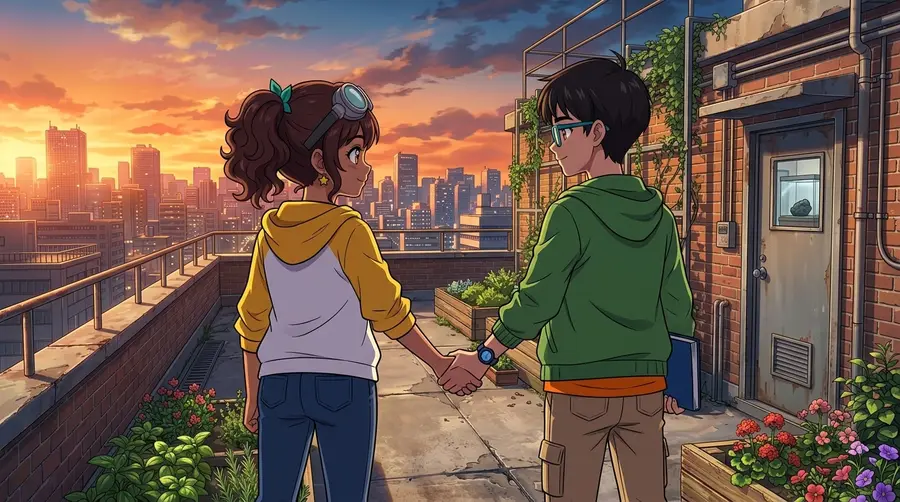
An emotional beat caught in a still image — a hug, a tear, a look. Counter-programmed against the action-cover norm. Powerful on grief, romance, or character-piece issues.
Typography Rules
Comic book typography has its own conventions. Get them right and the cover feels native to the medium; get them wrong and the cover looks amateur regardless of how good the art is.
The Title Logo Is Unique
Most published comic series have a custom-designed title logo — not just a font. Even if you're using an off-the-shelf typeface, modify it (stretch, weight, add a swash). Stock fonts feel anonymous.
Hierarchy Through Size
Title largest, hero image dominant, tagline 30% the size of the title, credits 50% smaller than tagline, publisher logo smallest. Visual hierarchy is doing half the work of telling the reader where to look.
Two Typefaces Maximum
One typeface for the title and tagline, another for credits. More than two creates visual noise. Comic covers benefit from typographic restraint.
High Contrast
The title needs to read at thumbnail size — the comic cover is competing with hundreds of other thumbnails on a digital storefront. Black-on-yellow, white-on-red, black-on-cyan: high-contrast title combinations are the standard for a reason.
Color Strategy
Comic covers use color aggressively. The cover competes for attention on a shelf or in a thumbnail grid — restraint costs you visibility.
Pick a Dominant Color
One color should occupy ~60% of the cover. The dominant color is the cover's emotional signature — red for action, blue for melancholy, yellow for adventure, green for unease. Reader's eye locks on the dominant color before they parse the image.
Secondary and Accent
30% of the cover is a secondary color (often a complementary or near-complementary). 10% is an accent — usually the brightest spot on the cover, drawing the eye to a specific detail.
Lighting Drives Focus
Brightest part of the image should land on the focal point. The reader's eye goes to the brightest area first. Most cover artists deliberately light the hero figure or the focal element.
AI Shortcut for Indie Creators
Hiring a cover artist for a single issue runs $200–$1,500 depending on quality. AI tools collapse this into minutes. Render a cover with the [AI comic image generator](/ai-comic-image-generator) using a single descriptive prompt — character, pose, background, lighting, color palette. Add the title and credits in any layout tool afterward. Total cost: a few credits; total time: under 30 minutes from concept to finished cover. The trade-off is stylistic specificity — for a generic strong cover, AI is excellent; for a very specific aesthetic mimicry (the look of a 1970s Bernie Wrightson cover, say), AI is a starting point that benefits from human polishing.
Common Cover Mistakes
Three patterns sink indie comic covers.
Too Many Characters
Five characters posed together is a poster, not a cover. Pick one protagonist for the hero image and use background figures sparingly. Crowded covers don't read at thumbnail size.
Weak Title Typography
Stock fonts feel amateur. Even a slight modification (stretching, weighting, adding a custom touch) makes a stock font feel intentional.
Low Contrast at Thumbnail Size
Test your cover at 200 pixels wide. If the title is unreadable, the cover is unreadable. Most readers see your cover first as a digital thumbnail.